

What Rosary Making Beads Can Mean In Daily Life
When people talk about rosary beads, they usually think of a finished rosary hanging from a rearview mirror or resting beside a Bible. But rosary making beads are the quiet beginning of all of that. Before there is a rosary to hold, there are small beads, a bit of cord or wire, and a simple intention in the heart of the person who strings them together.
For many of us, using rosary making beads is not about crafting something impressive. It is about slowing down enough to touch every bead, one by one, and to remember that each prayer, like each bead, is small but real. There is something very grounding about working with your hands in this way while thinking of the Lord, Our Lady, and the needs of the people you love.
I still remember the first time I sat at a kitchen table with a little bag of rosary making beads, some twine, and a cup of coffee that grew cold next to me. I was not trying to be creative. I simply wanted to make a sturdy rosary for a friend who was going through a hard time. The rosary I made was not perfect. The spacing was a little uneven, and one of the knots kept slipping. But when my friend told me later that it helped him pray on restless nights, the imperfections seemed almost fitting. Our lives and our prayers are rarely perfect either.
Different Types Of Rosary Making Beads
Rosary making beads come in many materials, shapes, and sizes. Each type has its own feel in the hand and its own quiet character. Some people like to mix types; others prefer a simple and consistent style. There is no single “right” choice, only what gently supports your own way of praying.
Wooden Rosary Making Beads
Wooden rosary making beads are often chosen because they feel warm and familiar. They do not shine as much as glass or crystal, but they have a very down-to-earth presence. Many people like them because they are light, strong, and comfortable to hold, especially during longer times of prayer.
I have a habit of keeping one wooden rosary in my jacket pocket. When I made it, I chose simple brown beads and a dark cord so it would be modest and sturdy. Over time, the wood has become smoother from being handled so often. That quiet change reminds me that prayer slowly shapes us too, usually in ways we do not see right away.
Glass And Crystal Rosary Making Beads
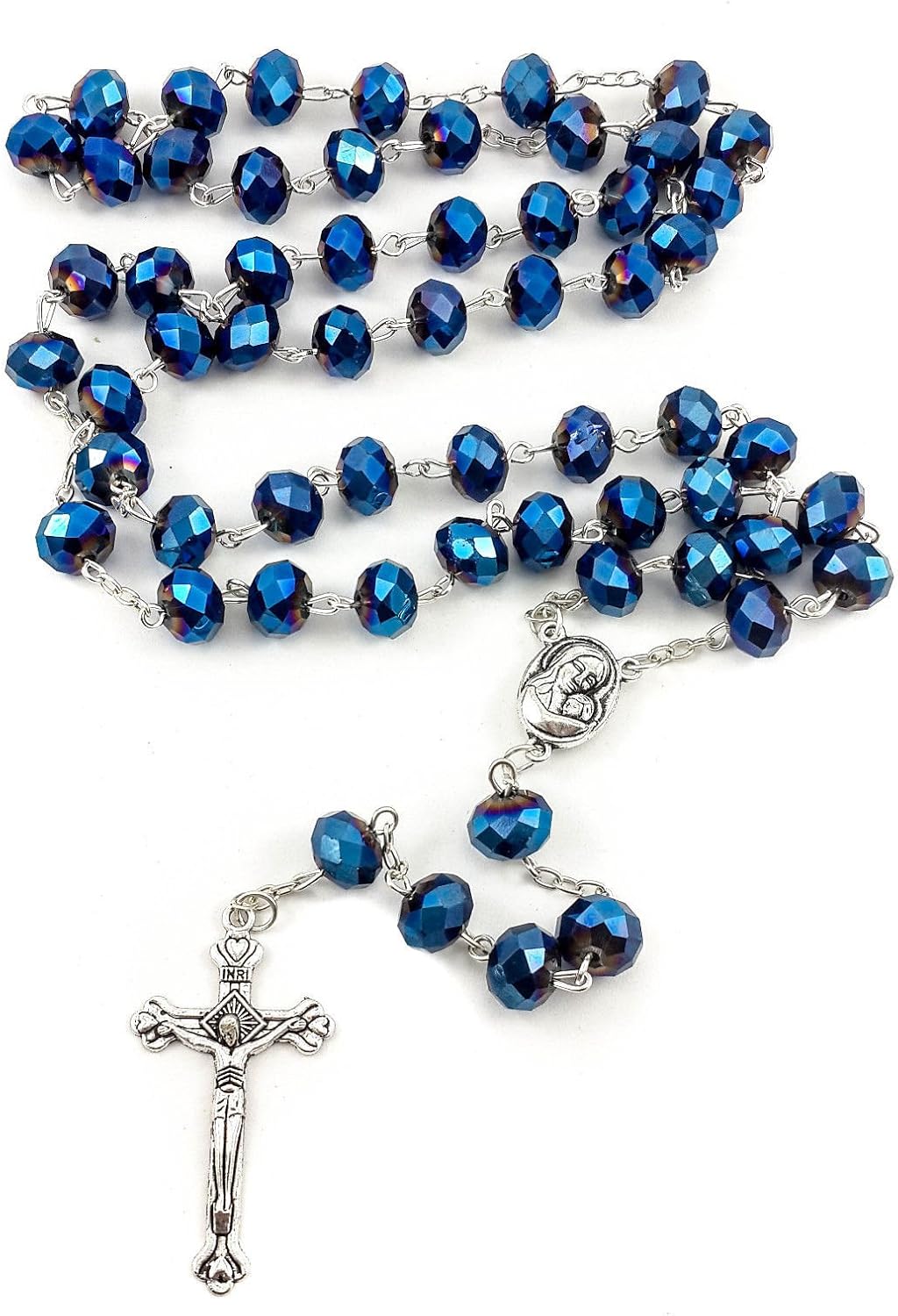
Glass and crystal rosary making beads feel a little cooler and more delicate in the hand. They catch the light in a gentle way. Some people like this because it reflects how prayer can bring a quiet brightness into ordinary days. Others choose them especially for gifts, such as a First Communion or Confirmation.
When I helped my niece put together her first rosary, she picked small, light-blue glass beads. She did not explain why; she just smiled and said, “These feel peaceful.” Watching her carefully string those beads gave me an unexpected sense of hope. It is a simple thing, teaching a child to make a rosary, but it plants something steady in their heart.
Stone, Seed, And Other Natural Rosary Beads
Some rosary making beads are made from stone, seeds, or other natural materials. They can feel solid, a little heavier, and sometimes slightly rough at first. Over time, as they are used, they often smooth out. Many people appreciate how these beads make them feel more connected to the natural world that God created.
I once prayed with a rosary made from small stone beads during a difficult season of my life. The weight of those beads in my hand was strangely comforting when words were hard to find. Every time I picked that rosary up, it reminded me that faith is not about feeling light all the time, but about staying close to God even when life feels heavy.

How Rosary Making Beads Support Prayer
Rosary making beads themselves are just small objects. What matters is what happens around them: the time, attention, and intention that go into turning them into a rosary, and the quiet prayers that follow. Still, these little beads can gently encourage certain habits of prayer and reflection.
First, working with rosary making beads can invite us to slow down. When you string beads or tie knots, you cannot move too fast without making a mess. That slower pace makes room for simple thoughts and brief prayers. Some people whisper a short prayer as they add each decade. Others just breathe slowly and think of those they want to remember.
Second, the finished rosary often carries the memory of how it was made. If you made it during a quiet evening at home, those moments are somehow “stored” in the rosary. When you pick it up later, it can gently draw you back into that same sense of calm and attention. If you made it for someone else, it may remind you to keep praying for them, even long after you gave it away.
I have a small box with extra rosary making beads that were left over from different projects. Sometimes, when life feels especially scattered, I will sit down and begin stringing a new set, not because I need another rosary, but because the simple motion of handling the beads helps me settle my mind enough to turn back to God with honesty.

Practical Considerations When Choosing Rosary Making Beads
When you look at different rosary making beads, it can help to think simply about how and where the rosary will be used. A rosary that lives beside your bed does not need to be the same as one that goes with you everywhere or one that you hope a child will keep for years.
Size And Feel In The Hand
Beads that are too small can be hard to handle, especially for older hands or for people who pray in dim light. Very large beads might be uncomfortable to keep in a pocket. Many people find a middle size that fits smoothly between the fingers and allows them to move from bead to bead without effort.
I once made a rosary with very tiny rosary making beads because they looked delicate and pretty. After a few weeks, I realized I was not using it much, simply because my fingers kept slipping. It reminded me that the most beautiful rosary is the one you actually pray with, even if it looks very plain.
Durability And Everyday Use
If you plan to carry a rosary in your pocket, in a backpack, or in your car, it can help to choose rosary making beads and cord that can handle being bumped around a bit. Wood or sturdy plastic with a strong cord can be kind for this. For a bedside or prayer-corner rosary, more delicate beads can work well, since they are less likely to be dropped or crushed.
Some people like to keep one “travel rosary” made with simple, durable beads and one “home rosary” that feels a little more special. There is nothing fancy about this; it is just a way of caring for the sacramental that helps you pray, so it can be there when you reach for it.

Color, Symbols, And Personal Meaning
The colors and symbols on rosary making beads can quietly reflect what you carry in your heart. Some people choose colors tied to Marian devotions, such as blue or white. Others select colors that remind them of a particular saint, a loved one, or a season of life they are going through.
I made one rosary using deep green beads during a time when I was asking God for guidance about work and family. The green reminded me of growth and patience, like waiting for plants to come up in spring. Even now, years later, whenever I pick up that rosary, I find myself praying more slowly, as if I am remembering that spiritual growth also takes time.
Rosary Making Beads In Family And Parish Life
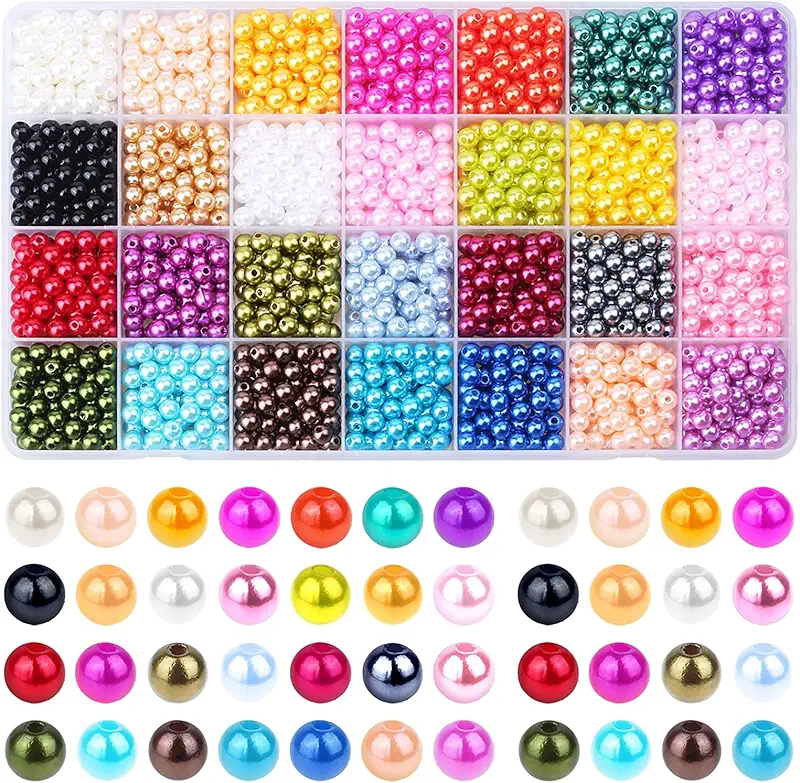
Rosary making beads can gently bring people together. A simple rosary-making afternoon at home or in a parish hall can open space for conversation, shared stories, and quiet prayer that might not happen otherwise. It does not need to be organized or polished. Even a small group with a few bags of beads and cord can become a moment of grace.
In our parish, there was a time when a few of us began meeting once a month to make rosaries. Some went to the missions, some to the sick, some to children preparing for their sacraments. We talked about very ordinary things while we worked—school, work, the news, family worries—and we prayed quietly at the end. Those evenings stayed with me. The rosary making beads were small, but they gave our tired hands something hopeful to do.
At home, working with rosary making beads can be a way to involve children in prayer without forcing long, complicated devotions. Letting a child choose colors, count beads, or help tie knots can give them a sense of ownership and joy. They may not understand everything about the Rosary yet, but they can learn that talking with God is part of the fabric of family life.

Living Simply With Rosary Making Beads
In the end, rosary making beads are just one small way to weave prayer into everyday life. They sit quietly in a drawer until someone takes them out, pours them into a small dish, and begins to string them. That small beginning can lead to years of quiet prayer, whispered in kitchens, cars, hospital rooms, and church pews.
You do not have to be talented with your hands to use rosary making beads. Imperfect knots and uneven spacing do not matter as much as the intention behind them. What counts is the simple desire to draw closer to God and to entrust yourself and others to His care, bead by bead, prayer by prayer.
I think often of one particular rosary I made in a hurry, late at night, for a relative who was facing surgery. The beads were mismatched leftovers from other projects. I did not have time to make it look coordinated. But that relative carried the rosary with them to the hospital and held it before going into the operating room. I will never forget the way they said, “I’m glad this is with me.” The rosary making beads were ordinary, but what they carried in that moment was hope and trust.
If you decide to work with rosary making beads, you may find that the process itself becomes a quiet form of prayer, even before the first Hail Mary is spoken. There is room in this simple craft for everyone—for those who pray often and those who are just beginning again, for those who are sure of their faith and those who are quietly searching.
