
When people talk about “rosary beads,” they often mean a finished rosary, already strung and ready for prayer. But there is something very special about starting a rosary from loose beads. Holding each bead, choosing the color, feeling the texture—these simple decisions can be part of prayer themselves. Using rosary beads to make rosaries at home invites us into a quiet, hands-on way of staying close to the Lord throughout the week.

I still remember the first time I tried to put a rosary together. I had a small bag of inexpensive beads, some cord, and a crucifix that had been in a drawer for years. I spread everything out on the kitchen table one Saturday afternoon. It was not elegant or polished. The knots were uneven, and I had to start over more than once. But quietly, bead by bead, the decades took shape. That simple afternoon became one of the calmest moments I had had in a long time.
Why Make a Rosary Instead of Just Owning One?
Many Catholics already have more than one rosary at home—one from First Communion, one from a pilgrimage, one from a retreat. So why bother making another? For some people, using rosary beads to make rosaries is less about adding another object to the house and more about entering into prayer in a different way. The process itself can be prayerful.
When you sit down to make a rosary, you are choosing to give that time to the Lord. Instead of scrolling on your phone or turning on another show, you let your hands be busy with something simple and steady. You may find yourself naturally slipping into the Hail Marys as you string the beads, or quietly offering intentions for the person who will someday hold this rosary.
A handmade rosary also carries a certain personal weight. You remember the day you chose the beads, the mood of the room while you worked, and perhaps the small struggles of getting a knot just right. All of that becomes part of the story of the rosary, and sometimes that helps us reach for it more often when we need to pray.
Choosing Rosary Beads: Material, Size, and Feel
If you are looking at different options for rosary beads to make rosaries, it can be helpful to think not in terms of “best” or “fancy,” but in terms of what fits your prayer and your daily life. Different materials invite different ways of praying, and every person is a bit different.
Here are a few simple things to consider when choosing beads:
- Material: Wood, glass, stone, and metal each feel different in the hand.
- Size: Larger beads can be easier for older hands or tired fingers; smaller beads fit easily in a pocket.
- Texture: Smooth, faceted, or slightly irregular beads offer different sensations while praying.
- Weight: A heavier rosary can feel grounding; a light one disappears in a pocket or purse.
- Durability: Some beads handle daily use, travel, and children better than others.
At one point, I went through a stretch where I was very distracted in prayer. I found that using slightly heavier glass beads helped. The weight in my hand reminded me to come back to the present moment. Someone else might find the opposite—that light wooden beads help them stay relaxed and peaceful. There is no single right choice; it is more about what gently supports your own way of praying.
Types of Rosary Beads for Different Seasons of Life
Life changes, and sometimes our rosaries change with it. The same is true for the rosary beads to make rosaries that we keep at home. A parent with small children might reach for strong, durable corded rosaries. Someone who prays mostly at night might appreciate beads that are soft and smooth, unlikely to tangle.
Simple Wooden Beads for Everyday Use
Wooden beads are a classic choice. They tend to be light, warm to the touch, and not too fragile. A basic wooden-bead rosary can live in a jacket pocket, a backpack, or on a nightstand without much worry. If you are just starting to make rosaries, wood can be gentle on your hands and forgiving when you make mistakes.

I made one simple wooden rosary during a particularly busy time at work. Every night, after everyone else went to bed, I would add a few more beads at the dining room table. It took longer than I expected, but that actually helped. The slowness became a reminder that not everything in life has to be rushed.
Glass or Crystal Beads for Gift Rosaries
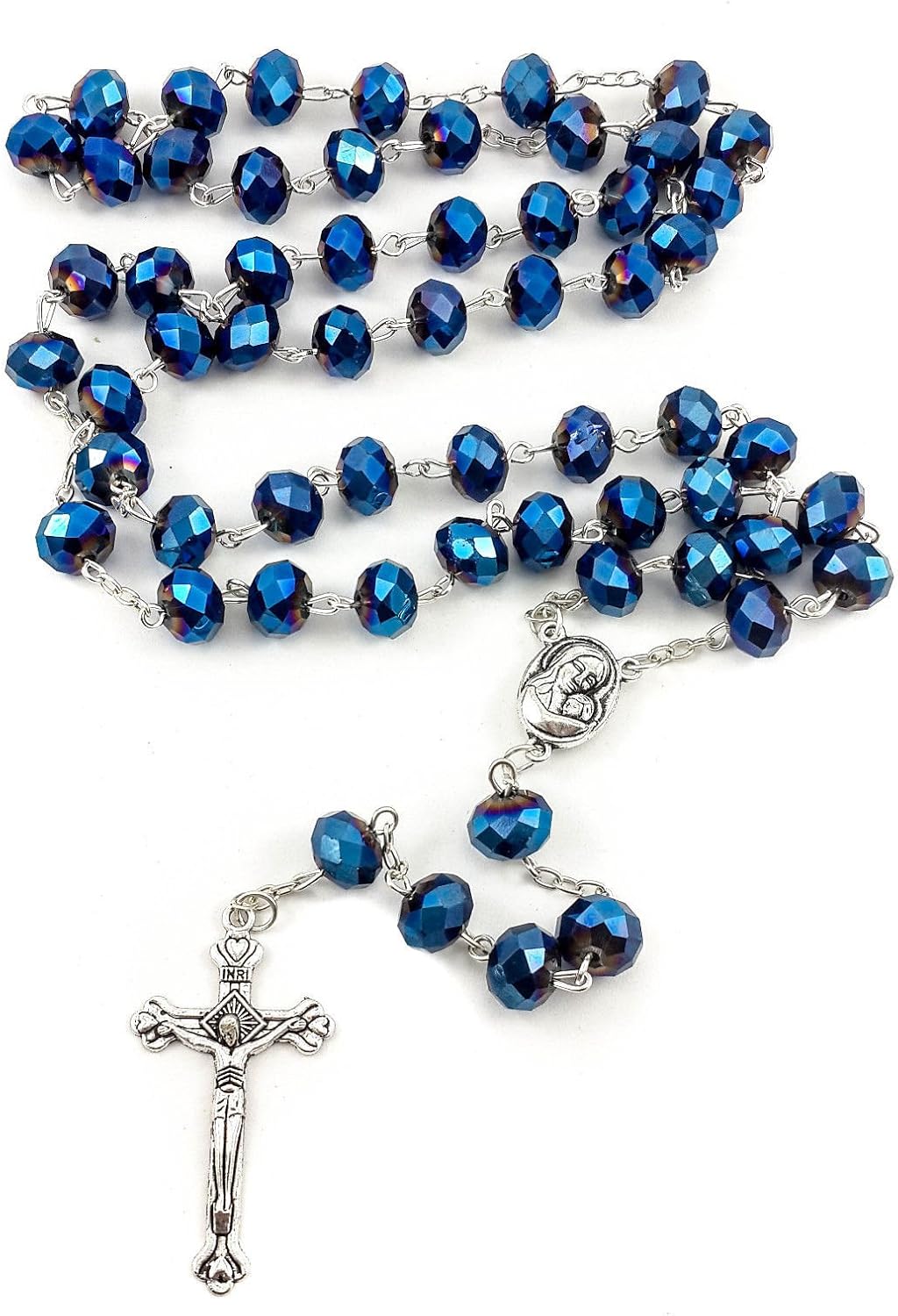
Glass or crystal-style beads often catch the light in a quiet, beautiful way. Many people like to use them when they are making a rosary as a gift for a wedding, a First Communion, or a confirmation. The sparkle can feel festive without being showy, especially when paired with a simple crucifix and center.
If you are making a gift rosary, you might think about the person’s favorite color, or about a mystery of the Rosary that feels connected to them. Sometimes even small choices like this can become a way of praying for that person as you work.

Durable Beads for Children and Travel
Some rosaries are meant to be tucked into a child’s hand during bedtime prayers or tossed into a backpack for a retreat or a long drive. In these cases, durability matters. Strong plastic or acrylic beads, or tightly knotted cord rosaries, can hold up to more bumps and drops.
When I made a small decade rosary for a young relative, I purposely chose larger, brighter beads on sturdy cord. It was not the most refined rosary, but it was the one they could bring to the playground, to Mass, and on car rides without fear of breaking it. That freedom helped them become more comfortable with prayer in everyday moments.

Praying While You Work: Turning Craft into Quiet Prayer
Using rosary beads to make rosaries can easily turn into just another hobby if we let it. But with a small shift of intention, it can become a simple form of prayer. This does not mean you must say formal prayers the entire time. It might simply mean inviting the Lord into the work you are doing with your hands.
Some people pray a Hail Mary for each bead they string. Others offer one decade for the person who will receive the rosary and then simply work in silence. Some listen to gentle sacred music or an audio Rosary while they tie the knots. There is room for many approaches. What often matters most is that our hearts are turned quietly toward God while we work.
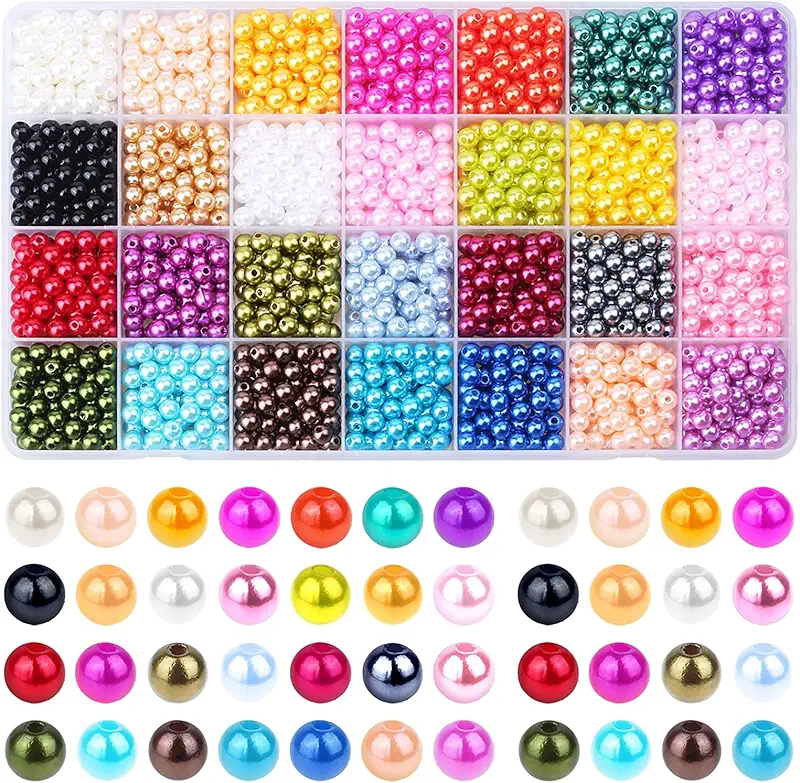
One evening, after a particularly difficult day, I sat down with a small pile of beads, not really planning anything specific. I simply began stringing them, one after another, whispering the names of people I was worried about. By the time I finished the fifth decade, I realized that the quiet of the room and the simple work had begun to untangle some of the knots in my own mind.
Keeping Your Handmade Rosary in Daily Life
After you have used rosary beads to make rosaries for yourself or your family, it can help to think about where those rosaries will “live.” Having a place for them makes it easier to reach for them in ordinary moments.
- On a bedside table, to end the day peacefully.
- In a coat pocket, ready for a walk or a wait in line.
- By a favorite chair, for a decade during a quiet break.
- In the car (hung respectfully), for use while parked.
- On a small prayer corner, near a candle or icon.
A handmade rosary does not need a grand place of honor. Often, the most helpful place is simply where you will naturally see it. The point is not to display it, but to let it gently remind you that prayer is always close, even in the middle of ordinary days.

Sharing Handmade Rosaries Quietly
Some people use rosary beads to make rosaries as a quiet form of service. They might make a few rosaries each month and hand them to a parish group that visits the sick, or leave one in a chapel basket for anyone who needs one. Others simply keep a small handful on hand and give them to family, friends, or someone going through a hard time.
There is no need to explain much when you give a rosary. A simple “I made this and thought of you” is usually more than enough. The rosary itself does the rest. Over time, you may find that making and sharing rosaries becomes part of the rhythm of your own faith—quiet, steady, and deeply human.
