
Why Child-Friendly Rosary Beads Matter
Many of us grew up seeing a rosary hanging on a bedpost or kept in a parent’s purse or on a car mirror. For children, their own rosary can create a similar sense of familiarity. They learn that this is something steady and close, not distant or strange. Kid-sized rosaries make the devotion more approachable: smaller beads, softer materials, and gentle colors that feel welcoming to little hands and eyes.
Children are naturally curious. They like to touch, hold, and explore. When a rosary is made with them in mind, we are less worried about it breaking or becoming a hazard, and more free to simply let them handle it. A sturdy children’s rosary says, “It’s okay to learn with this, to hold it, to ask questions, to keep it by your bed.”
Key Things to Consider for Kids’ Rosaries
When I first looked for rosary beads specifically made for kids, I realized there were a few practical details that made a big difference:
- Durability: Children tug, twist, and sometimes drop things. A rosary that can handle regular use without falling apart brings peace of mind.
- Safety: For younger children, smooth beads, strong cords, and secure connections are especially important so we can focus on prayer instead of worrying.
- Size: Smaller beads and slightly shorter lengths fit better in a child’s hand and are easier for them to move along during prayer.
- Texture: Some kids focus better when they can feel each bead clearly; others may like softer silicone or wood that feels calming to hold.
- Simplicity: Simple designs often work best, allowing the child to focus on the rhythm of the prayers more than on extra decorations.
Over time, these little choices add up. A rosary that feels comfortable and trustworthy helps kids feel more at home in prayer, even when they are still learning the words or get distracted often, as most children do.
Different Styles of Rosary Beads for Kids
There is no single “right” kind of rosary for a child. Families choose different styles depending on age, temperament, and daily routines. Here are a few types that often work well in Catholic homes.
Soft and Silicone Rosaries for Little Ones
For toddlers and very young children, soft or silicone rosaries can be especially reassuring. They are gentle on the gums if a child puts them in their mouth, and they are quiet when dropped on the floor or pew. Some parents like to keep a soft rosary in the diaper bag or stroller so that even the youngest ones have something familiar during Mass or family prayer.
In our family, a silicone rosary lived in the car for a long time. On longer drives, one of the kids would hold it and move from bead to bead as we prayed out loud together. It wasn’t perfect or neat—sometimes the words got mixed up or the kids got silly—but it kept prayer close to our everyday life.
Wooden Rosaries With Gentle Colors
Wooden rosaries feel warm and natural in the hand. Light, pastel, or earth-tone beads can be calming for children who are easily overstimulated by bright colors. Wood also tends to age well; a rosary that begins with a child in first grade can still feel familiar years later.
Some wooden children’s rosaries come with slightly larger beads, which can help kids who struggle with fine motor skills. Feeling each bead clearly helps them match the motion of their fingers with the words they are learning to pray.

Colorful Plastic or Acrylic Rosaries
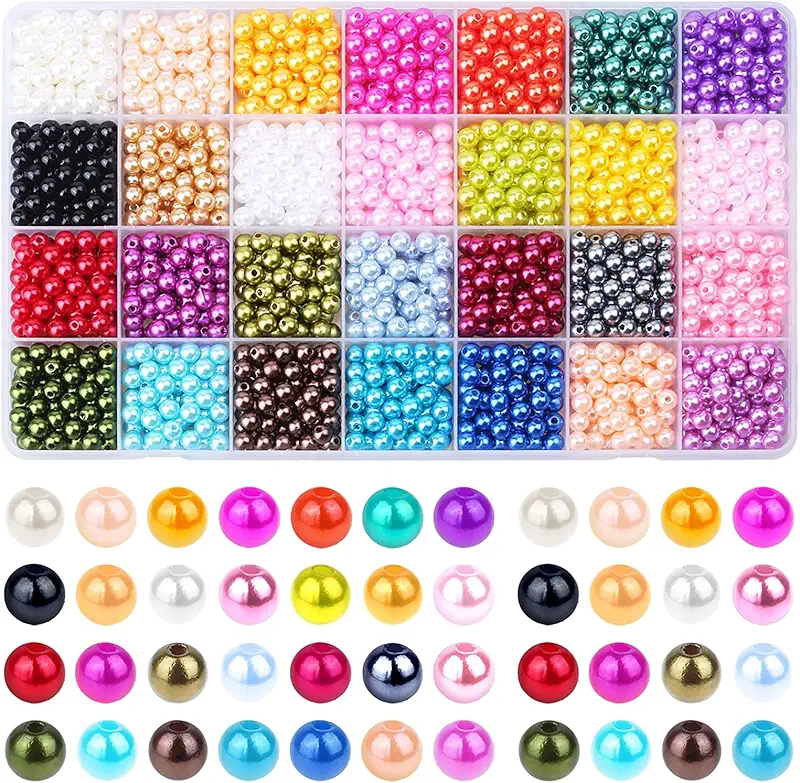
Bright, colorful rosaries can be especially inviting for school-age kids. Different colors for each decade or bead type can make it easier to learn the structure of the rosary—Our Father beads, Hail Mary beads, and so on. Plastic rosaries are usually lightweight and more affordable, which can be helpful if you want to keep one in a backpack, at Grandma’s house, or in the car.
Many children like choosing their own color: blue for Mary, green for their favorite sports team, or a rainbow that reminds them of God’s promise. That small sense of “this one is mine” can help them feel more connected to the habit of prayer.
Special Rosaries for Sacraments and Milestones
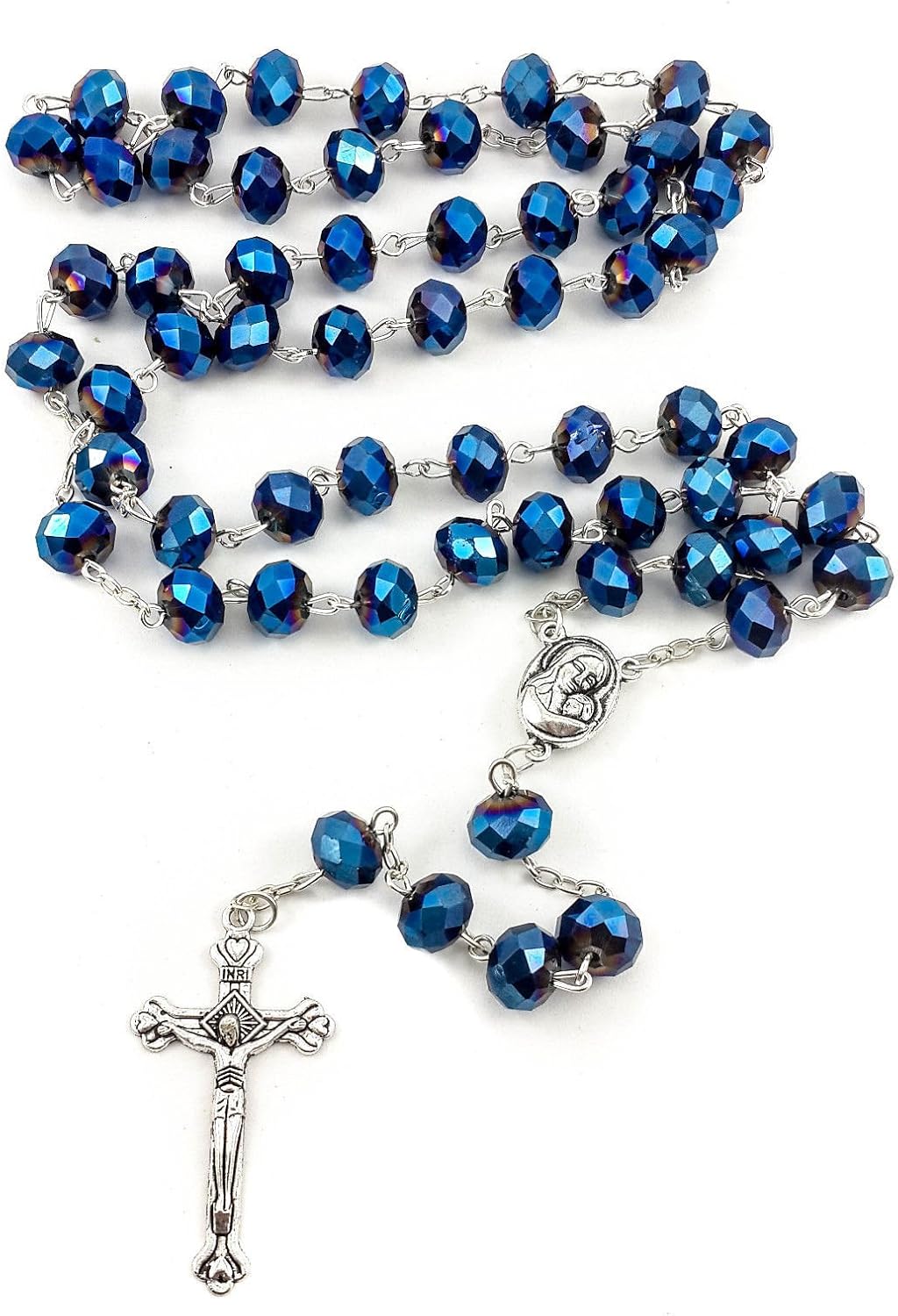
First Communion or a baptism anniversary can be a meaningful moment to introduce rosary beads for kids that feel a little more special, perhaps with a small centerpiece image or a medal of a favorite saint. Even so, it helps to keep practicality in mind. A child is more likely to actually use a rosary that feels simple and comfortable than one that feels too delicate or formal.
In our home, one of the most treasured gifts was a small, plain white rosary given at First Communion. It was not fancy, but the timing made it significant. We talked quietly about how this rosary could be a way to remember that special day, not just by looking back, but by continuing to pray in the months and years ahead.