
Making Rosary Beads
Making Rosary Beads
Taking the time to shape each bead, string each decade, and place the crucifix can become a gentle way to enter into prayer before a single Hail Mary is even spoken. This page is a calm walk through making rosary beads, not as a project to finish quickly, but as a simple companion to everyday Catholic life.

Why making rosary beads can feel different from just using one
Many of us first learned the Rosary as something already complete: a finished set of beads passed down from a grandparent, handed out at a retreat, or picked up quietly in a parish gift shop. The rosary itself has a long and rich history in the Church, but at home it is usually something very simple: a familiar weight in the pocket, on the nightstand, or wrapped around the fingers during a hard moment.
Taking the extra step of making rosary beads by hand adds another layer to that familiarity. It is not better or holier than praying with a store-bought rosary; it is simply another way to let our hands and hearts work together. The slow rhythm of measuring, cutting, and threading can soften a busy day and give the mind space to breathe before turning to the mysteries.
I remember the first time I tried making rosary beads at my kitchen table. I had a cheap little kit, some wire that kept kinking, and beads that rolled all over the floor. It was far from perfect. But I still remember how that first homemade rosary felt later that night when I prayed with it. Somehow the small flaws made it feel more honest, like it carried the same unevenness that I bring to prayer most days.
This page is not about perfect technique or craft-show quality pieces. It is simply about how making rosary beads can quietly support a life of prayer, family, and faith, right in the middle of ordinary American routines: work, school runs, late evenings, and early alarms.
Materials for making rosary beads with a prayerful spirit
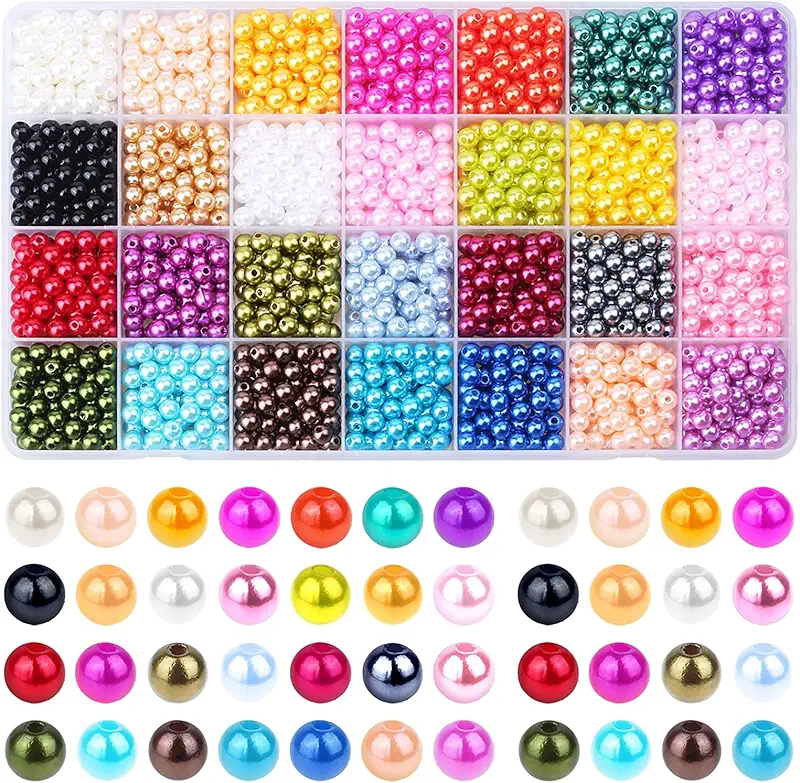
The materials you choose do not have to be expensive or impressive. What matters most is that they help you pray with focus and peace. Still, a few simple choices can make the process smoother and more pleasant.
Basic elements of a simple rosary
- One crucifix that is sturdy enough to handle daily use.
- One centerpiece, often an image of Our Lady, but sometimes a saint or symbol that means something to you.
- 53 beads for the Hail Marys and 6 beads for the Our Fathers (59 beads total).
- Wire, cord, or string strong enough not to fray easily.
- Optional small rings or links if you plan to create chain-style rosaries.
When I first started, I used simple wooden beads and nylon cord. They were forgiving materials: the knots held well, the beads survived being dropped, and the whole thing felt easy to carry in a backpack or pocket. Over time, I experimented with glass beads and metal chain, but I keep coming back to that plain wooden feel when I want something that invites simple, everyday prayer.
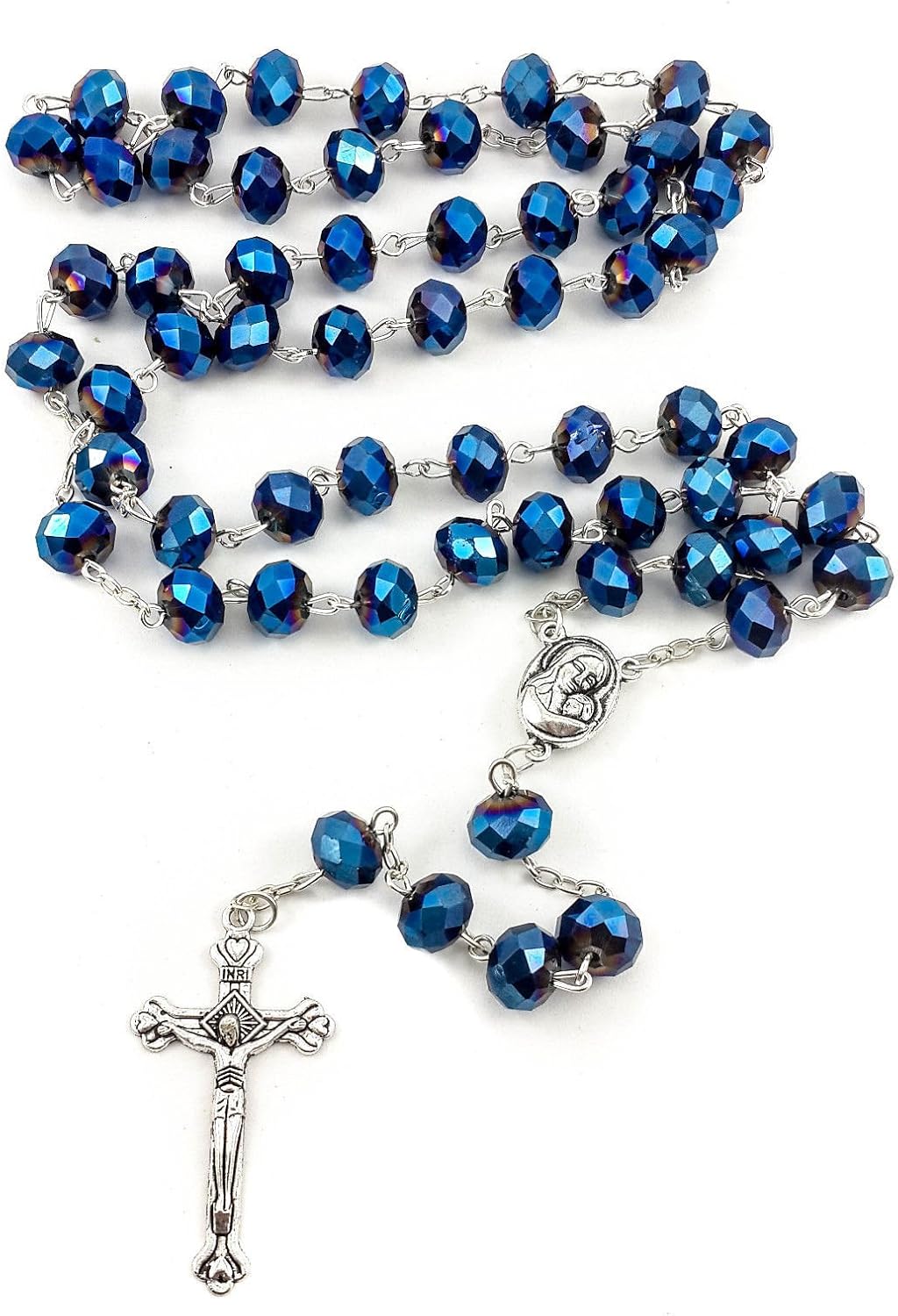
The color and style of the beads can also carry quiet meaning. Some people like deep blue because it reminds them of Mary. Others choose simple dark wood because it feels humble and grounded. A friend of mine once made a rosary in birthstone colors for each of her children, not as a charm, but as a small reminder to pray for them as she moved through each decade.
Whatever you choose, it helps to remember that these materials will become something you touch in vulnerable moments: at a hospital bedside, in a car outside a difficult appointment, or in the dark when you cannot sleep. Durability and comfort often matter more in those moments than appearance.
A gentle step-by-step way of making rosary beads
People sometimes feel intimidated by the idea of assembling a full rosary, especially if they have never worked with cord or wire. But the process can be broken into small, quiet steps. You can even spread them throughout the week, turning fifteen minutes here and there into a slow, steady act of preparation for prayer.
1. Preparing your space
Before starting, it helps to clear a simple space: a corner of the dining table, a desk, or even a tray. I like to place a small crucifix or holy card nearby, not as decoration but as a gentle reminder of why I am doing this. Sometimes I begin with a short, unpolished prayer: “Lord, let this help me pray.” That is usually enough.
2. Laying out the beads
Count out 59 beads and arrange them roughly in the shape of a rosary: a loop for the decades and a short tail for the beginning prayers. Seeing the shape ahead of time helps you remember what you’re working toward and prevents miscounting halfway through.
3. Stringing or linking the Our Father beads
Some people like to start with the Our Father beads, spacing them first so the structure is clear. Whether you tie knots between them or connect them with small chain links, each pause between beads can be a quiet moment to think of people or intentions that weigh on your heart.
4. Completing each decade
When you move through the Hail Mary beads, you can simply focus on the rhythm of your hands. Sometimes I silently name each decade as I finish it: “Joyful,” “Sorrowful,” and so on, as if I am gently setting the stage for future prayer. There is no rule that says you must pray the whole Rosary while building it, but many find that even a few Hail Marys scattered through the work help them stay grounded.
5. Attaching the centerpiece and crucifix
The moment when the crucifix is finally attached can feel a bit like closing a circle. Everything that was loose and scattered becomes one continuous path of prayer. I often stop there and simply hold the finished rosary for a moment, not saying anything, just letting my fingers trace the beads.
Once the rosary is complete, you might choose to have it blessed by a priest. There is no pressure or requirement in that choice described here, just a quiet recognition that bringing something we have made into the life of the Church can be meaningful.

Personal stories: how making rosary beads has shaped my own prayer
Over the years, I have found that making rosary beads often becomes most meaningful in quiet seasons of change: before a move, after the loss of a loved one, or while waiting for medical results. It is not that the beads themselves fix anything. They do not. But the slow, repeatable work gives my heart something steady to rest on when everything else feels uncertain.
Once, during a particularly anxious season, I set aside a small basket with cord and wooden beads. Every evening after dinner, while the house calmed down and the dishes dried, I would tie knots and add a few beads. Sometimes I prayed aloud; other times I simply breathed and let my thoughts wander before God. By the time that rosary was finished, the situation that had worried me most was still not resolved. But I had spent many evenings choosing to sit with God inside that waiting, bead by bead.
Another time, I tried making rosary beads as a gift for a friend who was becoming a godparent. I am not naturally crafty, and I worried that the knots were uneven and the color choice was too plain. When I finally handed it to her, she didn’t mention the imperfections at all. She just said, “You thought of me while you made this.” That sentence has stayed with me as a reminder that, in faith, small acts done with quiet love often matter more than flawless results.
Making rosary beads has also helped our family at different stages. With my kids, I have sometimes laid out extra beads and cord and let little hands help with simple threading, even if we were not building a full rosary. There was something precious about seeing them handle the pieces, learning that prayer can be touched, held, and built slowly over time.

Different styles of handmade rosaries and how they fit everyday life
When people think about making rosary beads, they sometimes imagine only the classic, full-size rosary in a pocket or purse. But there are many forms that can support prayer in different corners of daily life.
Pocket rosaries and single decades
A single-decade rosary can be easier to make and easier to carry. It fits naturally into brief pauses of the day: standing in line, sitting in a parking lot, or taking a short walk. For those who find it difficult to finish all five decades at once, a single decade can be a gentle starting point.
Sturdy rosaries for children and teens
When making rosary beads for younger family members, durability often matters more than appearance. Smooth wooden or plastic beads and strong cord can handle backpacks, lockers, and restless hands. I have seen teenagers quietly slide a sturdy rosary between their fingers before an exam or a big game, and I am always thankful for whoever took the time to put that simple tool of prayer in their hands.
Rosaries for home prayer corners
Some families like to keep a more decorative rosary hanging near a crucifix or family prayer corner. Making one specifically for that space can be a way of “marking” a corner of the house as a place where the family turns to God together, even if only for a few minutes at night.

No matter the style, making rosary beads remains a very quiet, personal act. It does not have to be shared on social media or displayed. It can simply be something you do at the corner of your own table, offering the work, the mistakes, and the small progress to God in the same way you offer your everyday life.
Caring for handmade rosaries and letting them age with you
A rosary that is used regularly will show signs of wear: the finish on the beads may soften, the cord may fuzz slightly, metal may darken. Instead of seeing this as damage, many people come to view it as a record of the prayers prayed and the moments carried to God.
Still, some basic care can help the rosary last:
- Keep it in a pocket, pouch, or small case instead of loose with keys or sharp objects.
- Avoid leaving it in hot cars or damp spaces for long periods, especially if it is made of wood or natural cord.
- If it becomes dirty, gently wipe it with a soft, slightly damp cloth and let it air dry.
- Check knots or links from time to time, tightening or repairing them before they fail.
I have one rosary I made more than a decade ago. The beads are a little scuffed now, and the cord has stretched just slightly, but every time I pick it up, I remember the season in which I made it and the many evenings when it slipped through my fingers in good times and hard ones. Its age has become part of its meaning.
Questions about making rosary beads
Do I need special skills for making rosary beads?
You do not need to be artistic or especially handy. If you can tie a basic knot and handle small pieces with patience, you can learn. The first attempt may look uneven, but that does not diminish its value in prayer. Many people grow more comfortable over time, learning little tricks as they go.
How long does it usually take to make one rosary?
It depends on the style and your experience. A simple corded rosary might take an hour or two once you get used to the pattern. Chain-style rosaries with metal links may take longer. Some people spread the work over several evenings, which can actually help turn the process into a gentle habit of reflection.
Is it better to pray while I work, or can I just focus on the task?
Both are fine. Some days, praying a few Hail Marys while you thread beads might feel natural. Other days, simply working quietly, holding God in mind without many words, is enough. God is present in both the spoken prayers and the honest effort to make something that will help you or someone else pray later.
Can I give a handmade rosary as a gift?
Yes, many people find a handmade rosary to be a gentle, meaningful gift for occasions like First Communion, confirmation, a wedding, or even a difficult season in someone’s life. The key is the intention behind it: that it is offered with respect, without pressure, and with a simple hope that it may be a quiet companion in their own walk with God.
What if my rosary breaks or I make a mistake while building it?
Mistakes and broken cords are part of the process. If something breaks, you can often repair it by re-stringing the beads or reinforcing a weak spot. When I have had rosaries break, I have tried to see the repair as a small reminder that faith itself is something we keep returning to, mending gently when life pulls it thin.

Letting making rosary beads become part of ordinary life
In the end, making rosary beads is not about producing objects to admire. It is about carving out a small space in ordinary life where your hands and heart can move toward God together. It can happen at a kitchen table cluttered with homework, in a quiet corner of a dorm room, or at a desk during a slow evening shift.
You may find that some seasons invite more of this kind of work than others. There will be times when just picking up a finished rosary is all you can manage, and that is perfectly fine. At other times, the deliberate work of measuring cord, counting beads, and forming knots may offer a steady rhythm when your inner life feels scattered.
If you feel drawn to try, you do not have to commit to anything big. One simple rosary, made slowly and honestly, is enough. In my own life, each time I have returned to making rosary beads, it has been a quiet way of saying to God, “Here I am again, with my imperfect hands and my uneven focus, but I still want to walk with You.”
