
Gothic Rosary Beads
Gothic rosary beads bring together the familiar rhythm of the Rosary with a darker, more contemplative style. Deep black beads, silver-toned crucifixes, and ornate details can make the Rosary feel visually connected to night, mystery, and quiet reflection. For many Catholics, this look matches the way we sometimes experience prayer: honest, a bit raw, and very real.
On this page, you will find reflections on how gothic rosaries can accompany prayer, help you stay focused, and fit naturally into daily Catholic life. The focus is not on collecting things, but on using one simple sacramental with intention and respect.

Why Some Catholics Choose Gothic Rosary Beads
Not every Catholic is drawn to light colors and delicate designs. Some of us feel more at home with darker tones, strong lines, and a style that hints at depth and struggle. Gothic rosary beads reflect that side of the spiritual life. They do not change the prayers or the meaning of the Rosary; instead, they shape the way we visually enter into it.
The Rosary itself, rooted in the long tradition of the Rosary in the Church, remains the same. What changes is the way the beads feel in your hand and the way they look when you pick them up in the quiet of the evening. Dark beads and ornate metalwork can echo the sense that faith is not always easy, but it is steady and present, even in harder seasons.
I remember the first time I held a set of gothic rosary beads. The beads were almost matte black, with a silver crucifix that felt slightly heavier than usual. I did not expect much from the design itself, but as I prayed, I noticed how the weight and color helped me slow down. It reminded me of the times in life when prayer felt like walking through the night, trusting there is a dawn even when I cannot see it yet.
Design Elements of Gothic Rosary Beads
While every rosary follows the same basic structure, gothic designs tend to share a few common features. These elements can shape the way you experience each mystery and each Hail Mary as you move along the chain.
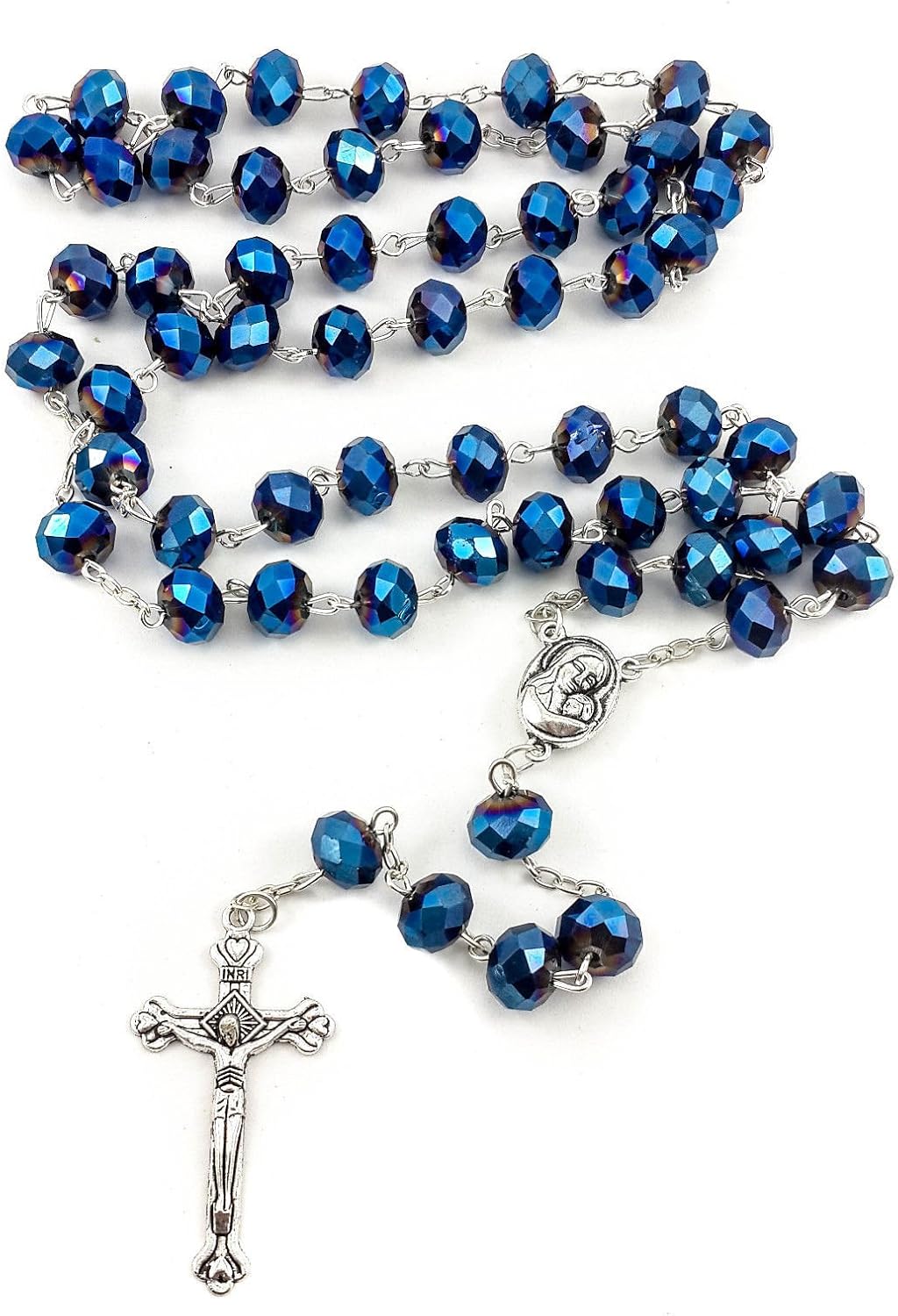
- Dark beads: Often black, deep red, dark purple, or smoky gray, sometimes faceted, sometimes smooth.
- Metal accents: Silver, gunmetal, or antique bronze chain links and centerpieces, sometimes with intricate filigree.
- Detailed crucifixes: Crosses that may include gothic arches, thorns, or more traditional baroque-style details.
- Heavier feel: Slightly weightier metals or glass beads that rest firmly in the hand and pocket.
- Subtle symbolism: Some gothic rosaries include small details like roses, skull motifs, or Latin inscriptions, always to be approached with discernment and respect.
None of these things make a rosary “better” or “holier.” They simply offer a different aesthetic that can resonate with certain personalities and prayer styles. For someone who spends a lot of time reflecting on mercy, suffering, or hope in darkness, the gothic style can feel almost like an echo of the heart.
Praying with Gothic Rosary Beads in Daily Life
For most Catholics, the Rosary is not about dramatic experiences. It is about quiet, steady prayer woven into ordinary days. Gothic rosary beads can fit naturally into that rhythm. They can sit on a nightstand, be kept in a coat pocket, or rest near a favorite chair where you often find a moment of stillness.
Many people like to pray a decade during a short walk, in the car (as a passenger), or during a lunch break. Dark beads can feel discreet in public spaces, especially if you are a bit private about your faith. You can run the beads through your fingers in silence, with others barely noticing, while your heart moves through the familiar prayers.
Some Gothic rosary beads are also sturdy enough to hang on a wall, near a crucifix or a small home altar. Seeing them there, with their somber beauty, can gently remind you to turn back to prayer throughout the day. You might not have time for a full Rosary every evening, but one decade said with attention is still a real offering.
Personally, I sometimes reach for my gothic rosary in the late hours, when the house is quiet and worries feel louder than usual. The darker style seems to match those moods. There is nothing magical about it. It just helps me feel honest before God—bringing my tiredness, my questions, and my gratitude as they are.
Materials and Durability
Gothic rosary beads can be made from many materials, each with a slightly different feel. Knowing the differences may help you choose something that fits your habits and preferences.
- Glass or crystal beads: These often catch the light in a subtle way, even in dark colors. They tend to feel cool to the touch and slightly weighty.
- Stone beads: Lava stone, onyx, hematite, and other natural stones give a grounded feeling in the hand and can be quite strong.
- Metal beads: Less common but very durable, metal beads match the gothic style with an almost armor-like impression.
- Wooden beads: Dark-stained wood offers a warmer, softer gothic look, often quieter and more understated.
- Resin or acrylic beads: Lightweight and practical, sometimes used for more budget-friendly rosaries or for those who prefer a softer weight.
Over time, any rosary may show signs of use: a slight dulling of metal, a change in the feel of the beads, or a bit of wear around the cross. For many Catholics, this is not a problem but a sign that the rosary has truly been prayed with. Still, if you plan to carry your gothic rosary every day, it can be helpful to choose a style with strong links and secure connections between the decades.
Gothic Rosary Beads for Different Moments
A single set of gothic rosary beads can be used for every moment of life, but some people like to connect certain designs with particular seasons or needs. There is no rule about this; it is simply a personal habit that can help you stay intentional.
- Evening prayer: Dark beads naturally suit night prayer, when lights are low and thoughts turn to the day that has passed.
- Times of grief: During seasons of sorrow, a somber rosary can mirror the heart’s tone while still keeping hope close.
- Lent and Holy Week: Some Catholics reserve their gothic rosary beads for more penitential times, as a way to mark those days as different.
- Intercession for others: When praying for loved ones who are struggling, the serious style of a gothic rosary can feel like a silent act of solidarity.
- Personal retreats: Whether at home or in a retreat house, a darker rosary can encourage concentration and reflection.
I once brought my gothic rosary to a quiet weekend retreat. There was a small chapel with dim candles and old wooden pews. In that setting, the dark beads somehow blended into the quiet, helping me move through each mystery slowly, in step with my breathing.


Discreet Style for Personal Faith
Not everyone feels comfortable displaying religious items openly, especially at work or in public spaces. One quiet advantage of gothic rosary beads is their discreet look. From a distance, they may appear as simple dark jewelry or a chain, rather than something obviously religious.
This can be helpful for people who pray on a commute or during a quick break in a busy day. Your faith remains the same, but your way of carrying it can blend naturally into the surroundings. The important thing is not how visible the beads are to others, but how present the prayer is in your own heart.
At the same time, some gothic rosaries are bold and clearly Catholic, with large crosses and striking details. The range of designs makes it possible to choose something that truly fits your personality and your level of comfort in different environments.
Gothic Rosary Beads as a Personal Keepsake
Many Catholics like to associate a particular rosary with a special moment: a conversion, a retreat, a healing, or a resolution to return to regular prayer. Gothic rosary beads can quietly mark such times, especially if the darker style matches a period in life when you passed through difficulty and found strength in faith.
Some people keep one special gothic rosary on a bedside table, or in a small box along with handwritten prayer intentions. Over the years, simply opening the box or picking up the beads can bring back memories of how God has accompanied them through different seasons, even when answers were slow or unclear.
I keep one set of gothic rosary beads near a candle I light on especially heavy days. It is a small rhythm: light the candle, pick up the beads, sit for a few minutes, and slowly move through at least one decade. There is nothing dramatic about it, but that simple, steady habit has become a quiet anchor.
Respectful Use and Care
However a rosary looks—gothic, classic, or very simple—it is still a sacramental and deserves respectful use. That does not mean treating it as fragile or untouchable, but handling it with a certain quietness. It is good to avoid tossing it carelessly into bags with sharp objects, leaving it on the floor, or using it as a fashion accessory without any intention to pray.
If you keep your gothic rosary in a pocket or backpack, a small pouch can help protect it from tangling or damage. Wiping metal parts gently with a soft cloth now and then can keep them from tarnishing too quickly, especially if you live in a humid climate.
When a rosary eventually breaks, many Catholics either repair it if possible or bring the pieces to a parish or a trusted Catholic source to dispose of them respectfully. This is a reminder that these items are more than decorations; they have been touched by prayer and deserve care even when they can no longer be used.
Frequently Asked Questions about Gothic Rosary Beads
Yes. What matters for Catholic prayer is the intention of the heart and the faithful use of the Rosary, not the color or style of the beads. Gothic rosary beads follow the same structure—crucifix, centerpiece, and decades—and can be used for the same prayers as any other rosary. As with all devotional items, they should be used respectfully and not for superstitious purposes.
No. The mysteries of the Rosary and the prayers themselves do not change with the design. Gothic styling is simply an artistic choice—darker colors, heavier metals, more intricate designs. These elements can influence how you feel while praying, but the spiritual meaning of the Rosary stays the same: meditating on the life of Christ with Mary, in the heart of the Church.
You can, especially if you know the person appreciates this style. Some Catholics like receiving a rosary that matches their personality—quiet, artistic, or drawn to deeper tones. It can be thoughtful to include a small note explaining why you chose that particular rosary for them and to assure them of your prayers. There is no need to pressure them to use it; simply offering it as a sign of friendship and faith is enough.
Not at all. While some younger Catholics are attracted to gothic visuals, many older believers also appreciate darker, more traditional-looking rosaries, especially those with solid metal crucifixes and classic designs. The Rosary belongs to every generation, and style preferences can cross age groups in surprising ways.
A gentle way to begin is to choose a small, consistent moment each day—perhaps right before bed or during a short walk—and commit to a single decade. Hold your gothic rosary beads, make the Sign of the Cross, and move slowly through the prayers. If you miss a day, simply begin again without guilt. Over time, the beads may start to feel familiar, like a trusted companion in both calm and difficult moments.
Different Looks Within Gothic Rosary Beads
Within the broad idea of “gothic,” there is a lot of variety. Some rosaries lean heavily into medieval or cathedral-like designs, with arches and ornamental flourishes. Others are very simple: matte black beads, a straightforward crucifix, and just a hint of ornament. This variety makes it easier to find something that feels like a natural extension of your own way of praying.
You might be drawn to:
- All-black rosaries: For a very understated, serious tone.
- Black and silver combinations: Balancing darkness with a brighter metal shine.
- Dark red accents: Beads or details that subtly recall sacrifice and love.
- Vintage-inspired designs: Gothic elements that echo old churches and antique crosses.
- Minimalist gothic: Clean lines, few decorations, and a simple, modern feel.
I have found that my preference can shift depending on the season of life. At certain times, a heavier, highly detailed gothic rosary seemed to express what I could not quite put into words. At other times, a simpler dark rosary felt more peaceful. There is freedom in that, as long as the heart of prayer remains the center.



If you feel that gothic rosary beads might support your own way of praying, you can quietly explore different designs and materials at your own pace.
I’ll browse them calmly