
When we talk about beads for rosary making, we are really talking about something very personal. A rosary is held in the hand, passed through the fingers, sometimes carried in a pocket or purse for years. The beads that you choose will quietly accompany your joys, worries, and ordinary days.

I still remember the first time I chose beads for rosary making for someone I love. I stood at my desk with a small dish of different beads: simple wooden ones, smooth glass, and a few made of stone. I ran them through my fingers, one type after another, asking quietly in my heart which would help this person pray with peace. That small moment, alone in the evening, felt almost like the beginning of the prayer that rosary would carry.
Many people look for beauty first, but in daily use, comfort matters even more. Some like a very smooth, cool bead that slides easily. Others prefer a bead with a little texture that “stays put” between the fingers. As you explore your options, it can help to imagine not only how the finished rosary will look, but what it will be like to pray through all five decades on a tired night or during a quiet walk.
The shape and spacing of beads for rosary making can also affect the rhythm. Slightly larger beads can be easier for older hands or for anyone with joint pain. Smaller beads can make a rosary light and easy to keep in a pocket. There is no single “right” choice. The rosary is a simple tool for prayer, and the beads should serve that purpose in the most ordinary and gentle way.
The word “rosary” itself has a rich history in the Church. If you are curious about how this form of prayer developed over time, you can read more about the Rosary prayer tradition and see how generations before us have used prayer beads in their daily lives.
Types of beads for rosary making
When choosing beads for rosary making, it can be helpful to think in terms of material, size, and finish. Each combination has its own character. Some types feel very traditional, others more modern or simple. None of these are holier than the others; they just serve different needs and preferences.
Wooden beads: warm and familiar
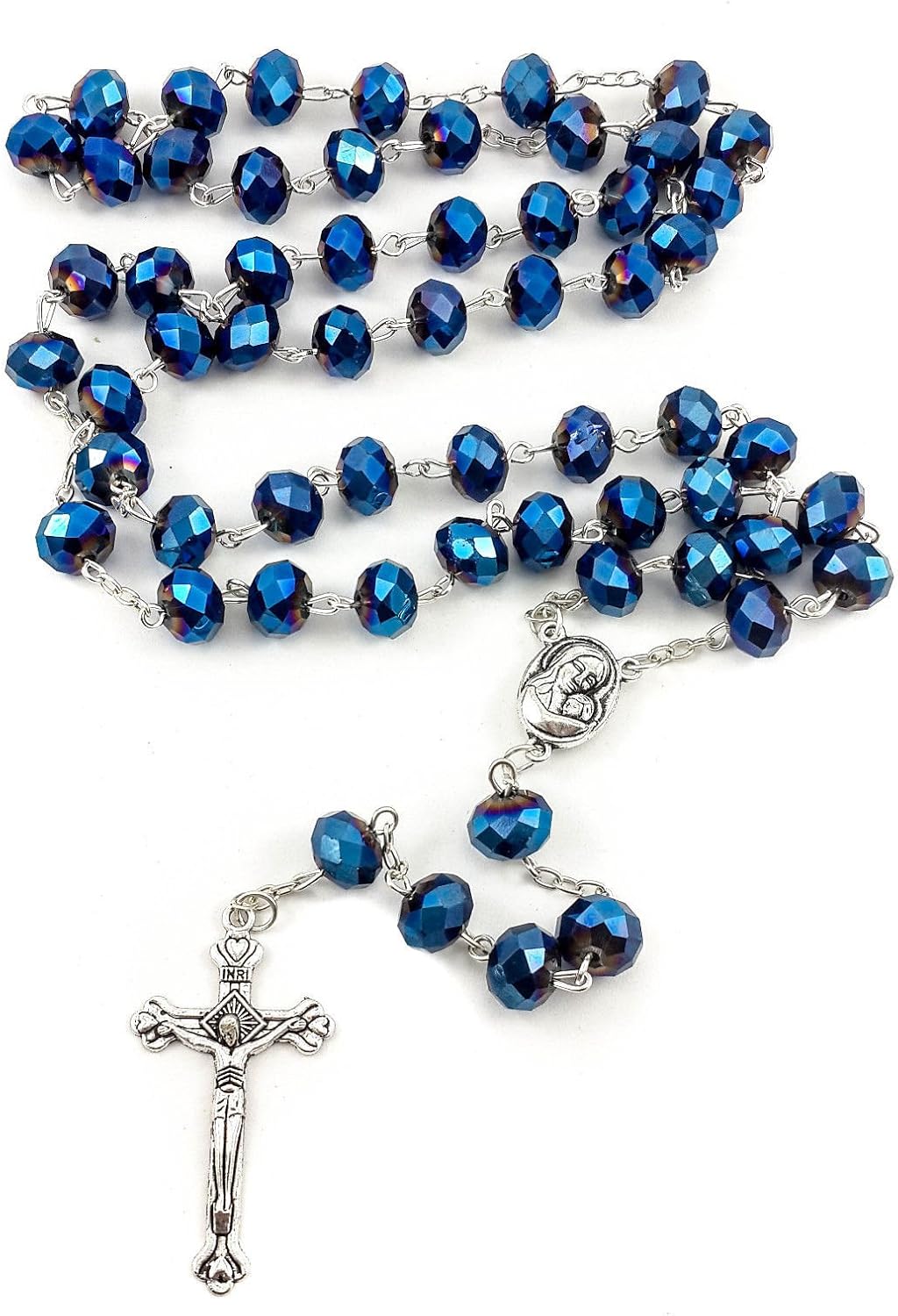
Wooden beads are often the first that come to mind. They are lightweight, gentle on the fingers, and usually very durable. A simple brown wooden rosary feels very close to the earth and to the everyday life of the Church. Over time, the natural oils from our hands can slightly darken and polish the beads, so the rosary almost “remembers” the many prayers that have passed through it.
One of my own daily rosaries is made from small, plain wooden beads. I chose them years ago when money was tight, and I wanted something humble and sturdy. I still reach for that rosary when I feel scattered. There is something about its simplicity that helps me relax into the repetition of the Hail Marys without worrying about how it looks.
Glass beads: smooth and luminous

Glass beads for rosary making can feel cool and very smooth at first touch. Some are transparent, others opaque, some with gentle marbling or muted colors. They can be a quiet way to bring a little bit of light and color into your prayer without drawing too much attention. Many people find that the slight weight of glass helps them keep a steady rhythm as they move from bead to bead.
When I made a rosary for a close friend who was going through a long illness, I chose soft blue glass beads. I remember thinking of the sea when I held them, and how the waves keep moving in and out even when we feel stuck. Those beads seemed to carry that image in my mind whenever I prayed for her.
Stone and gemstone beads: solid and grounding

Stone or gemstone beads have a certain weight that many people appreciate. They feel solid in the hand, sometimes cool at first, warming as you pray. The natural variations in color and pattern can be a quiet reminder that God works through the ordinary, imperfect things of the world. You might see small veins, specks, or swirls in each bead, making every rosary slightly unique.
It is important, though, not to treat the material as if it has special powers. Stone beads are simply another way to honor the dignity of your prayer time, much like lighting a candle or sitting in a comfortable chair. Their weight can make a rosary feel more substantial, something that you’re less likely to misplace and more likely to keep in a specific spot at home.
Choosing the right size and feel
Beyond the type of bead, size and feel are central when thinking about beads for rosary making. The same design can feel very different if you change the bead size from 6 mm to 8 mm, or if you switch from a highly polished finish to something more matte.
Size for comfort
For many adults, beads around 6–8 mm are comfortable for regular use. Smaller beads can make the rosary compact and easy to carry, but they may be harder to handle for children or for older family members. Larger beads can make each Hail Mary feel more distinct, which can sometimes help when you are learning to pray the rosary or returning to it after a long time away.
When I made a rosary for my grandmother, I chose larger beads than I normally use. At first I worried it would look bulky, but when she held it, she smiled and said, “My hands can actually feel each one.” That moment reminded me that practicality is an act of love, especially when we are making something for another person’s prayer life.
Texture and finish
A glossy, polished bead can glide quickly between the fingers, which some people enjoy for a very smooth rhythm. A matte bead, or one with slight facets, offers a bit more grip. Neither is better; it is a matter of what helps you stay present, especially on days when your mind is scattered or tired.
You might notice that certain finishes make a faint sound as the beads slide together. I have one rosary with faceted glass beads that makes a gentle clicking sound when I move quickly. Sometimes that soft sound almost feels like a metronome, keeping me from rushing and reminding me to breathe between the mysteries.
Color and symbolism in everyday life
Color is another gentle way that beads for rosary making can reflect your story. Some people choose colors connected to particular devotions, feasts, or memories. Others prefer something quiet and understated, especially if they plan to carry the rosary to work or in public places where they would rather keep it personal.
Soft tones for daily prayer

Gentle blues, creams, browns, and grays tend to blend into everyday surroundings. A rosary made with these colors can rest quietly on a nightstand or in a coat pocket without drawing much attention. For many of us, this quiet presence fits well with how we try to live our faith each day—steady and sincere, without a lot of noise.
Meaningful colors
Some people choose colors that remind them of particular mysteries or seasons: purple for Lent, white or gold tones for Easter, deep blue for Marian feasts, red for the Holy Spirit or for martyrs. None of this is required, of course, but if a certain color gently turns your thoughts toward God when you notice it, that can be a simple grace built into your daily life.
I once made a small pocket rosary with deep green beads during a difficult season of work and family responsibilities. I did not have a special symbolic meaning in mind at first; I just liked the way the green looked. Over time, though, that color came to remind me of new growth and quiet perseverance, especially when things felt stuck or dry.
Making rosaries for others
When you select beads for rosary making as a gift, it can help to think about the person’s daily life: their work, their routines, the colors they naturally wear. For someone who works with their hands or in a setting where jewelry might not be welcome, a sturdy, subdued rosary might be best. For a child receiving First Communion, a light, joyful color might help them feel that this is something special and personal.
Practical tips for working with beads
Choosing beads is only the first step. How you string them and care for them matters too. The goal is a rosary that can handle daily use without constant repairs, yet still feel comfortable in your hands.
Stringing and spacing
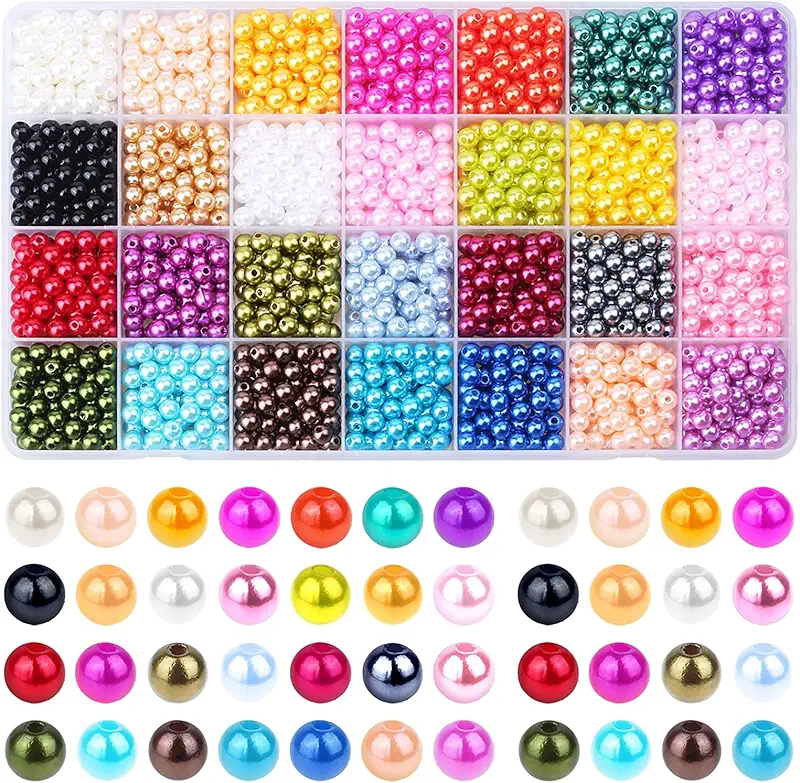
Many people use cord, wire, or chain for rosary making. The choice often depends on how heavy your beads are and how you plan to carry the rosary. Slightly heavier beads may sit better on a strong cord or wire with secure crimps, while lighter beads can work well with knotted cord. Adequate spacing between decades helps prevent tangling and makes it easier to move from one mystery to the next without looking down constantly.
Durability in everyday use
A rosary kept on a nightstand may not need the same level of durability as one that rides in a pocket, backpack, or car console. If you tend to be hard on things—or if you know the rosary is for a teenager or a child—you might lean toward tougher materials and thicker cord. A broken rosary can always be repaired, but it can be discouraging when it happens often.
Creating a simple prayer routine
Sometimes the process of making a rosary becomes part of your prayer itself. You might quietly say a short prayer as you thread each decade, or simply hold the beads for a moment before moving on. There is no need to force this or to turn it into a project. Just letting your hands work slowly while your mind rests in God can be a peaceful way to spend an evening.
One night when our home was very quiet, I sat at the kitchen table putting together a rosary with plain, dark beads. I did not set out to do anything special. But as I tied each knot and checked each spacing, I found myself bringing to mind the people and situations that weighed on me. By the time I finished, I realized that I had spent nearly an hour in a kind of wordless prayer, just by staying with that simple task.
Beads for different ages and seasons of life
The beads we choose often reflect where we are in life. A child learning to pray, a college student away from home, a busy parent, and an older person facing illness may all need something different from their rosary.
Children and beginners

For children or anyone new to the rosary, slightly larger, colorful beads can make it easier to stay focused. Durable materials and simple designs are usually best here, since the rosary might be handled a bit roughly or carried from place to place. It can be touching to watch a child grow into their own rhythm with a rosary that was made thoughtfully for them.
Busy adults and students
For those whose days feel full and rushed, small pocket rosaries or one-decade chaplets made with sturdy beads can be easier to keep close. A few minutes in the car before work, a short walk between tasks, or a quiet moment in the evening can all become chances to pick up the beads again. In these seasons, convenience can actually support faithfulness; if the rosary is with you, you are more likely to use it.
Older hands and gentle rhythms

For older relatives or for anyone living with arthritis or limited mobility, larger, smoother beads with clear spacing can make prayer easier. When the hands struggle, a rosary that glides gently can be a small mercy. Offering to make or repair a rosary for someone in this situation is a quiet way to share faith without many words.
Frequently asked questions about beads for rosary making
1. What kind of beads are most suitable for daily rosary prayer?
Beads that are comfortable, smooth enough to move easily, and sturdy enough for regular use tend to work best. Many people find that medium-sized wooden, glass, or stone beads around 6–8 mm are a good balance of feel and durability. Ultimately, the “best” beads are the ones that help you hold the rosary without strain and stay with the prayer from decade to decade.
2. Does the material of the beads have any spiritual effect?
The material itself does not change the prayer. Beads are simple tools that support our focus and help us keep our place. Choosing a particular material can be meaningful in a personal way—for example, using wood from a special place or a favorite color—but the grace of prayer does not depend on whether the beads are wood, glass, or stone. What matters most is the sincerity with which we pray.
3. How can I tell if beads are the right size for me?
A helpful test is to imagine moving through an entire rosary without looking down much. If you think your fingers would slip or struggle to grip the beads, they may be too small or too smooth for you. If the rosary would feel bulky or heavy in your pocket, the beads may be too large. Many people find that trying similar bead sizes in other jewelry or craft items gives them a sense of what will feel natural in daily prayer.
4. Are handmade rosaries better than mass-produced ones?
A handmade rosary can carry a special personal meaning, especially if it is made by a loved one or during a significant time in life. Mass-produced rosaries, however, can be very sturdy and practical for everyday use. There is no rule that one is spiritually superior to the other. If you enjoy crafting, making your own rosary can be a gentle way to spend time with God. If not, choosing a simple, well-made rosary is perfectly good.
5. How many rosaries should a person have?
There is no set number. Some people keep a single rosary for many years, repairing it as needed. Others keep different rosaries in different places—one by the bed, one in the car, one in a bag—or make special ones as gifts or for particular intentions. It can be helpful to have at least one rosary that feels sturdy enough for daily use and another that you don’t mind lending or giving away if someone asks for one.